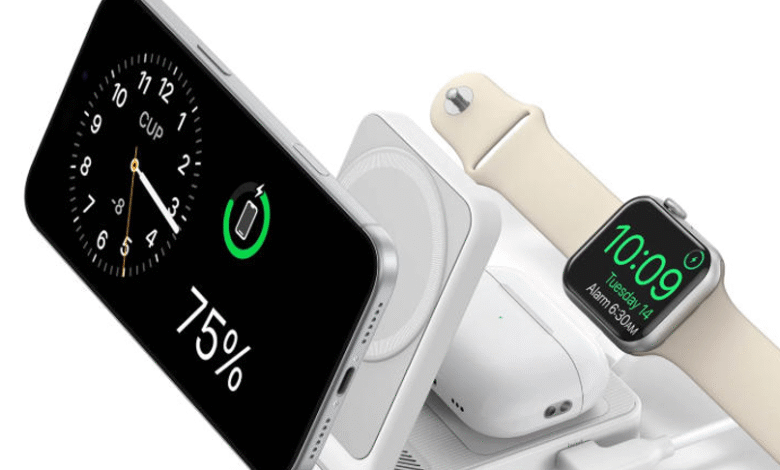
Multi-device charging stations have grown popular because they solve everyday challenges that almost every household and workplace faces. People now use several gadgets throughout the day, and each requires regular charging. When charging becomes chaotic—cables everywhere, limited outlets, or devices scattered around—it disrupts routines more than most realize. A dedicated setup brings order, reduces clutter, and ensures every device gets power reliably. Many users also prefer trusted brands such as Anker because they value stable and dependable accessories, but habits and needs are what truly drive the rise of these stations. Once people adopt one central hub for all their devices, they rarely go back to scattered, individual chargers.
How Charging Stations Improve Daily Convenience
One Organized Spot for Every Device
A central hub gives people a predictable place for their devices. Instead of searching for cables or unplugging something just to make room for another charger, they use one station to handle everything. This simple shift removes daily friction. Families especially appreciate having one location where everyone can place their phones, earbuds, tablets, and other small electronics. The setup prevents clutter from spreading across countertops or desks, and users save time by always knowing where their devices rest. The convenience builds naturally, making the station feel like a small but powerful upgrade to everyday routines.
Less Cable Mess and Fewer Outlets Used
Cable clutter builds quickly when each device has its own charger. Multi-device stations resolve this by combining several charging points into a single compact area. Instead of plugging five adapters into one power strip, users plug in one station. The result is a cleaner, safer, and more visually appealing space. Desks feel more open, nightstands stay tidy, and kitchen counters no longer get buried under extra wires. The organized layout also extends the lifespan of cables, since they stay neatly arranged instead of constantly bending or tangling. Users enjoy a simpler, calmer environment without sacrificing access to power.
A Reliable Setup That Works Every Time
One of the biggest advantages is consistency. A dedicated station delivers power to multiple devices without the unpredictability of switching adapters or juggling limited outlets. It becomes part of a daily cycle—place your device in the same spot, pick it up fully charged later. This predictability matters for people with busy schedules or multiple gadgets that support work and communication. Many users trust brands like Anker for these stations because they want dependable performance, but even beyond brand choice, the value comes from knowing that everything charges smoothly without extra effort or attention.
See also: Top Tech Startups to Watch in 2025
Why Charging Stations Fit Modern Tech Habits
More Devices Require Power Than Ever Before
Most people now own at least three or four small electronics that need charging daily. Phones, earbuds, wearables, tablets, portable speakers, and other accessories all compete for outlet space. Multi-device stations help people adapt to this shift without feeling overwhelmed by cables. Instead of treating each device as a separate charging task, they group them into a single routine. This reflects how people live today—constantly switching between screens, carrying multiple gadgets, and needing quick access to power throughout the day. A station becomes a practical response to modern tech habits.
Faster and More Efficient Power Distribution
Multi-device stations support faster workflows because users can charge several devices simultaneously without sacrificing speed or stability. This becomes especially helpful for people with structured mornings or evenings. They can set all their electronics to charge at once, allowing everything to be ready for the next day. The efficiency also benefits professionals who keep multiple devices on hand. When everything charges together, no device gets overlooked. Many users appreciate pairing a good station with high-quality accessories from Anker for a smoother experience, but the underlying advantage comes from the system design itself—organized, streamlined, and efficient.
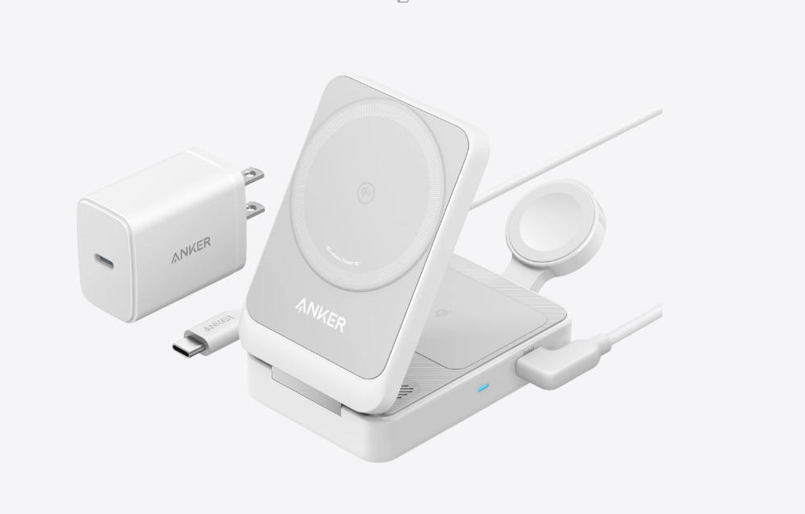
A Central Hub Encourages Better Charging Habits
A dedicated station reinforces healthier charging routines. Instead of plugging devices into random outlets or leaving them across different rooms, users place everything in one consistent location. This reduces the chance of forgetting to charge an important device. It also helps prevent overuse of worn cables or unstable adapters. Over time, the station turns into a habit-forming tool—reminding people to charge their gadgets at the right time and keeping everything within reach. Workspaces become more intentional. Home environments feel more organized. The station quietly becomes part of a more mindful daily rhythm.
Conclusion
Multi-device charging stations have become popular because they simplify and improve everyday life. They give people one organized place for their gadgets, reduce cable clutter, and offer a predictable, reliable way to power everything at once. These stations also match modern habits, where several devices need attention each day. Families, professionals, and tech-savvy users all benefit from a setup that saves time and keeps routines smooth. Many people choose dependable options from Anker to complete their setup, but the true value lies in the convenience and structure the station provides. When one compact hub replaces scattered chargers across the home, a charging station becomes an investment in clarity, ease, and a more organized daily lifestyle.