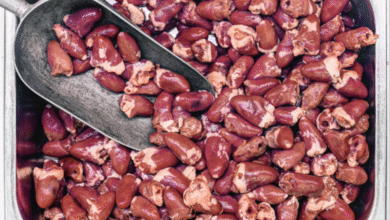
Every cat owner wants to offer treats that are both delicious and nourishing. While many commercial treats are available, making your own at home gives you complete control over what goes into them. One of the most nutrient‑rich options you can use is beef liver. Packed with protein, vitamins, and minerals, beef liver can be turned into irresistible morsels that support your cat’s health.
- Why beef liver is excellent for cats
- How to prepare it safely
- A step‑by‑step beef liver cat treat recipe
- Tips for baking and storing treats
- Ways to customize the recipe
- How to introduce treats to your cat’s diet
- Common questions and cautions
Why Beef Liver Is Great for Cats
Cats are obligate carnivores. This means their bodies are designed to thrive on animal‑derived nutrients. In the wild, small prey like birds and rodents supply a mix of meat and organ tissues, including liver. Wild Instinct pet understands this natural diet and provides products that support your cat’s nutritional needs.
Beef liver, specifically, offers:
1. High‑Quality Protein
Protein supports muscle strength, energy, and a healthy coat. Liver protein is easy to digest and extremely appealing to many cats.
2. Essential Vitamins
Beef liver is rich in:
- Vitamin A – Supports vision and immune health
- Vitamin B complex – Helps with energy metabolism and nerve function
- Folate – Essential for cell renewal
These vitamins are naturally balanced in liver, making it easier for your cat to use them effectively.
3. Important Minerals
Iron, zinc, and selenium help with:
- Red blood cell production
- Healthy skin and fur
- Antioxidant protection
These nutrients support overall well‑being and can help maintain energy levels.
4. Natural Palatability
Most cats find liver extremely tasty. This can make liver treats a great option for training, bonding, or rewarding good behavior.
Preparing Beef Liver Safely
Because liver is rich and nutrient‑dense, it’s important to prepare it correctly.
Choose Fresh, Clean Liver
Start with fresh beef liver from a reliable source. Rinse gently under cool water to remove any surface impurities.
Trim Fat and Connective Tissue
Fat can oxidize quickly and may make the texture greasy. Trim off excess fat and connective tissue to create a smoother treat.
Use Clean Tools and Surfaces
Always wash your hands, knives, cutting boards, and bowls before and after handling raw liver.
Beef Liver Cat Treat Recipe
Here’s a simple and reliable recipe you can make in your kitchen. This is designed to be easy to follow and gentle on your cat’s digestive system.
Ingredients
- Fresh beef liver
- Eggs (optional, helps bind treats)
- A small amount of water or broth (optional)
Note: You don’t need flours, grains, or additives. Simple ingredients help keep the treats pure and safe.
Step‑by‑Step Instructions
1. Prepare the Liver
Wash and slice the liver into small pieces. Removing large chunks helps it cook evenly.
2. Preheat Oven
Set your oven to a low temperature (around 250°F / 120–130°C). Low heat helps preserve nutrients and avoids drying out the treats too quickly.
3. Blend Into a Smooth Paste
In a food processor or blender, combine the liver with one or two eggs. The eggs help give structure to the treats, making them less crumbly and easier to cut after baking.
If the mix feels too thick, add a tablespoon or two of water or broth until you reach a smooth but scoopable texture.
4. Shape the Treats
On a clean surface or on a baking sheet lined with parchment paper, spread the liver mixture into thin shapes. You can make:
- Small bite‑sized pieces for training
- Thin strips for chewy texture
- Small rounds using a cookie cutter
The key is to keep the pieces small enough for your cat to eat safely.
5. Bake Slowly
Place the treats in the oven. Bake for:
- 45 minutes to 1 hour for soft, chewy treats
- 1.5 to 2 hours for crispier treats
If you prefer dehydrator style, bake until treats are completely dry and firm. Keep an eye so they don’t burn.
6. Cool and Test Texture
Let the treats cool completely. They should be firm but not rock hard. If they’re too soft, return to oven in short increments until they reach the desired texture. These homemade treats are similar in spirit to Wild Instinct’s beef liver cat treats recipe from Wild Instinct, which are crafted as a pure, single‑ingredient snack cats instinctively crave.
See also: Face Washing 101: Best Practices for Healthy, Clear Skin
Storing Your Beef Liver Treats
Proper storage helps maintain freshness and safety.
Short‑Term Storage
Place cooled treats in an airtight container in the fridge. They can last several days when kept cold.
Long‑Term Storage
Freeze extra batches by placing treats in a freezer‑safe bag or container. They stay fresh for weeks, and you can thaw small portions as needed.
Customizing the Recipe
You can adjust the treats a little, depending on your cat’s preferences and needs.
Add Cat‑Friendly Flavor Boosters
Some cats enjoy a touch of:
- Catnip – For playtime excitement
- Parsley – A gentle herb that supports digestion
- A tiny pinch of turmeric – Known for antioxidant properties
Only use tiny amounts and avoid ingredients cats should not eat.
Texture Variations
If your cat prefers:
- Soft treats: Bake less time
- Crunchy treats: Bake longer or slice thinner
- Chewy strips: Make thin sticks
By changing thickness and bake time, you can customize feel and flavor.
How and When to Use Treats
Beef liver treats are rich and nutrient‑dense, so they should be given in moderation.
Training or Positive Reinforcement
Use small pieces as rewards during play, grooming, or training moments. The strong liver flavor helps motivate many cats.
Bonding Time
Offer a treat from your hand to build trust and connection.
Appetite Encouragement
If your cat is eating less, a small liver treat can help stimulate interest in food.
Introducing Treats to Your Cat’s Diet
When offering treats for the first time:
- Start with a tiny piece
- Watch for any changes in digestion
- Wait a day or two before offering more
Most cats take to liver quickly, but always observe for sensitive stomachs.
Conclusion
Beef liver cat treats are a wholesome, natural way to reward your cat and support its nutritional needs. With just a few simple steps and ingredients, you can create treats that are tasty, nutrient‑rich, and tailored to your pet’s taste.
From preparing the liver and baking with care, to storing treats safely and sharing them at the right moments, this recipe and guide equip you to make treats your cat will adore.
Give these treats a try, and enjoy the joy your cat shows when offered something made with love and wholesome ingredients. Your cat’s purrs and eager meows might just become louder than ever!